
TIDM-02013: Functions of Boost Inductor in PFC

Part Number: TIDM-02013

Hello, Dear Expert:
What are the differences between this coupled inductor and conventional discrete inductors? Can it achieve a higher inductance under the same core volume and thus improve power density?
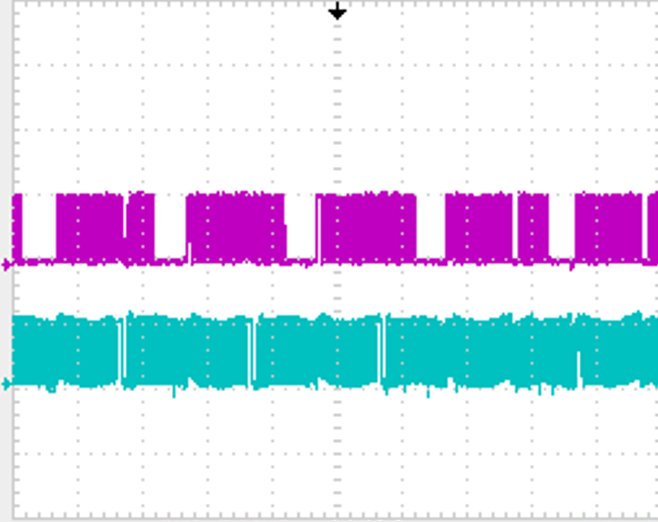
In Lab 3, the PH1 branch operates normally, yet the PH2 branch suffers intermittent drive loss. What are the potential root causes for this fault? Previously, the PFC performance was excellent with an input voltage of 90 V, yielding a power factor above 0.99. The missing drive fault on PH2 only emerged after the input voltage was raised to 200 V.
After proceeding to Lab 4, the Hall-effect sensor on the PH2 branch was damaged. Following replacement of this Hall sensor, the maximum achievable power factor dropped to merely 0.91, and the PH2 drive becomes lost even at 90 V input.
Is it feasible to disconnect one winding of the coupled inductor to test a single branch independently? Are there published papers validating the design of this coupled boost inductor? Can we substitute the coupled inductor with two discrete inductors for subsequent testing? I have exhausted troubleshooting ideas and have no clear direction for further debugging. Your prompt assistance would be highly appreciated.
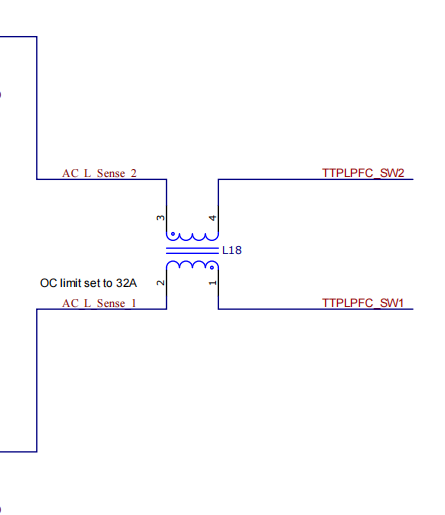
image.png
 
image.png
  • Hello, we have received your case and the investigation will take some time. Thank you for your patience.

  • 您好

    What are the differences between this coupled inductor and conventional discrete inductors? Can it achieve a higher inductance under the same core volume and thus improve power density?
    核心区别一句话:分立电感各自独立,互不影响;耦合电感是多绕组共享一个磁芯,通过磁通相互“对话”。
    能否同体积实现更高电感值与功率密度?
    不能单纯同体积实现更高电感值(物理限制:匝数增加会牺牲电流能力)。
    但能系统级大幅提升功率密度,其秘诀是:
    1. 消除冗余:多个相共享一个磁芯,省掉了多个独立磁芯的“死体积”。
    2. 磁通抵消:利用互感,让各相电流纹波在磁芯内部分抵消,从而允许使用更小的等效电感,获得极快的瞬态响应。
    3. 缩减配套:因纹波小、响应快,可大幅减少输出电容的数量和体积。
    选型一句话指南
    • 分立电感:当相数少、成本敏感、或需每相独立调整时。
    • 耦合电感:当为多相CPU/GPU供电、板面积紧张、且追求极限瞬态性能时。
    In Lab 3, the PH1 branch operates normally, yet the PH2 branch suffers intermittent drive loss. What are the potential root causes for this fault? Previously, the PFC performance was excellent with an input voltage of 90 V, yielding a power factor above 0.99. The missing drive fault on PH2 only emerged after the input voltage was raised to 200 V.
    After proceeding to Lab 4, the Hall-effect sensor on the PH2 branch was damaged. Following replacement of this Hall sensor, the maximum achievable power factor dropped to merely 0.91, and the PH2 drive becomes lost even at 90 V input.
    Is it feasible to disconnect one winding of the coupled inductor to test a single branch independently? Are there published papers validating the design of this coupled boost inductor? Can we substitute the coupled inductor with two discrete inductors for subsequent testing? I have exhausted troubleshooting ideas and have no clear direction for further debugging. Your prompt assistance would be highly appreciated.

    官方没有相关针对性论文资料说明